
Your car’s exhaust can reveal a lot about its engine health. While a little white vapor on a cold morning is usually normal, persistent white, blue, gray, or black smoke may indicate a mechanical problem. Understanding these colors can help you recognize warning signs early and determine when to seek professional car engine repair.
What Does Each Exhaust Smoke Color Mean?
Different exhaust smoke colors can signal different problems: white smoke may indicate a coolant leak, blue smoke usually means burning oil, black smoke can point to excess fuel, and gray smoke may indicate oil or other mechanical issues.
White Smoke: Possible Coolant Leak
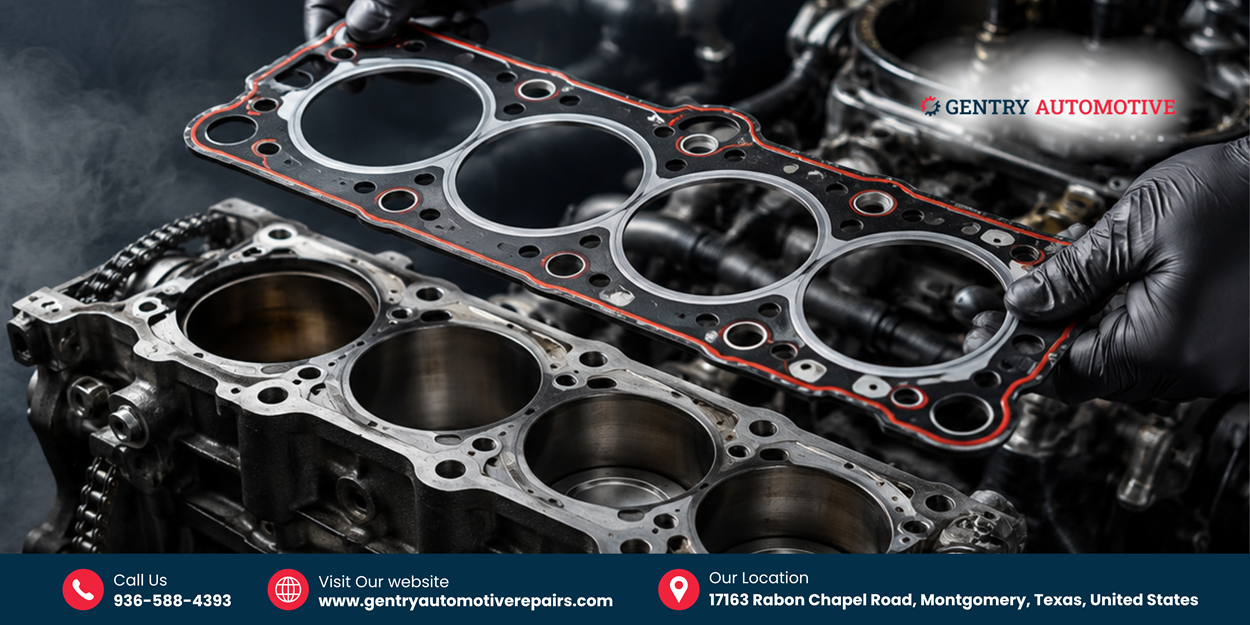
Thin white vapor that disappears quickly after starting your car is usually condensation. However, thick white smoke that continues after the engine warms up may indicate coolant entering the combustion chamber. A damaged head gasket, cracked cylinder head, or cracked engine block could be responsible.
Watch for coolant loss or engine overheating. These symptoms warrant prompt inspection, as continued driving could cause serious engine damage. Head gasket repair may be necessary if testing confirms a failed gasket.
Blue Smoke: Engine Oil Is Burning
Blue or blue-gray smoke generally means engine oil is entering the combustion chamber and burning with the fuel. Common causes include worn piston rings, damaged valve seals, or a faulty turbocharger on turbocharged vehicles.
You may also notice falling oil levels between changes. Check the oil level safely and arrange an inspection soon. Running an engine with insufficient oil can cause expensive internal damage.
Black Smoke: Too Much Fuel or Incomplete Combustion
Black exhaust smoke often indicates excessive fuel or insufficient air for proper combustion. A clogged air filter, malfunctioning fuel injector, or faulty engine sensor could be responsible. Diesel vehicles can also produce black soot under certain operating conditions, but persistent heavy smoke should not be ignored.
Poor fuel economy, rough running, or an illuminated check engine light can provide additional clues.
Gray Smoke: Oil or Other Mechanical Issues
Gray smoke can be harder to diagnose because it may indicate burning engine oil, a faulty positive crankcase ventilation (PCV) valve, or, in some vehicles, a transmission-related problem. The exact cause depends on the vehicle and its symptoms, so a professional diagnosis is important.
When Should You Get Your Car Checked?
Pay attention to how long the smoke lasts, when it appears, and whether you notice unusual smells, fluid loss, overheating, or reduced engine performance. These details can help a mechanic identify the problem.
If your engine overheats, the oil pressure warning appears, or thick smoke continues, pull over safely and switch off the engine. Avoid opening a hot radiator cap.
For accurate diagnosis and dependable repairs, Gentry Automotive Repairs provides car engine repair and related services for drivers in Montgomery, Texas. Getting unusual exhaust smoke checked early can help prevent minor problems from becoming major repairs.
FAQs
Q1. What do different colors of exhaust smoke mean?
Different exhaust smoke colors can indicate different engine problems. White smoke may suggest a coolant leak, blue smoke usually indicates burning oil, black smoke can mean excessive fuel, and gray smoke may point to oil or mechanical issues.
Q2. Why is my car blowing white smoke from the exhaust?
White exhaust vapor that disappears quickly is usually condensation, especially during cold starts. However, thick white smoke that continues after the engine warms up may indicate a coolant leak or blown head gasket. Have your vehicle inspected promptly.
Q3. What causes blue or black smoke from a car exhaust?
Blue smoke usually means engine oil is burning inside the combustion chamber due to worn piston rings, damaged valve seals, or turbocharger problems. Black smoke often indicates excessive fuel or insufficient air caused by faulty injectors, sensors, or a clogged air filter.
Q4. Is it safe to drive a car that is producing gray or white exhaust smoke?
It depends on the cause. Brief white vapor during a cold start is generally normal. However, persistent gray or thick white smoke may indicate mechanical problems. If your engine overheats, loses coolant, or shows an oil pressure warning, stop safely and switch off the engine.
Q5. Where can I get professional car engine repair in Montgomery, TX?
If your vehicle produces unusual exhaust smoke, Gentry Automotive Repairs can help drivers in Montgomery, TX, identify potential engine problems. A professional inspection can help determine whether the issue involves the head gasket, piston rings, valve seals, fuel system, or other engine components.