
If you’ve noticed a humming, grinding, or rumbling noise coming from one of your wheels while driving, a worn wheel bearing could be the cause. Wheel bearings are small but essential components that allow your wheels to rotate smoothly while supporting the weight of your vehicle. As they wear out, they can affect steering stability, braking performance, tire wear, and overall driving safety. Ignoring the warning signs may lead to more extensive damage, including a failed wheel hub or suspension components.
Whether you’re planning to replace the wheel bearing yourself or simply want to understand the repair process before visiting a mechanic, knowing how the replacement works is important. In this guide, you’ll learn how to change a wheel bearing step by step, the tools required, common symptoms of a failing bearing, average replacement costs, and when a wheel alignment may be necessary after the repair.
What Does a Wheel Bearing Do?
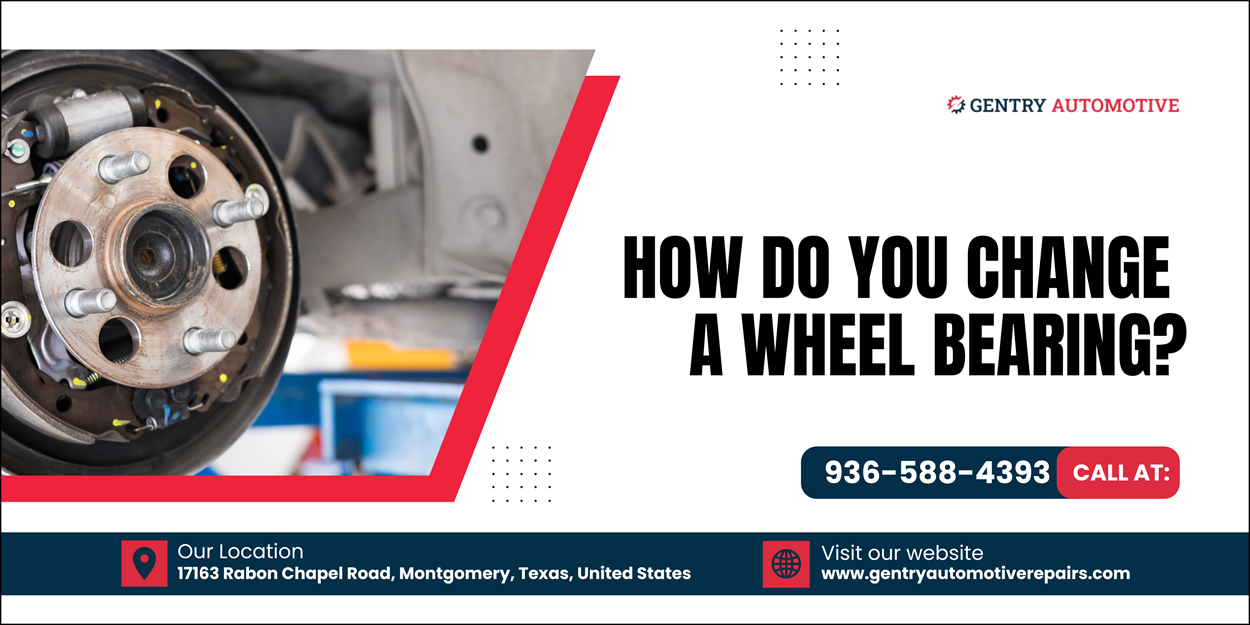
A wheel bearing is a precision-engineered component that sits inside the wheel hub and allows the wheel to rotate smoothly with minimal friction. It consists of steel balls or tapered rollers enclosed within a metal race and is designed to support both the vehicle’s weight and the forces created while accelerating, braking, and turning. Without properly functioning wheel bearings, your vehicle would experience excessive friction, poor handling, and increased wear on surrounding suspension and braking components.
Over time, wheel bearings naturally wear due to mileage, road conditions, moisture, and everyday driving stress. Once the bearing begins to fail, it creates additional friction and heat, leading to noticeable humming, grinding, or rumbling noises that become louder as vehicle speed increases. Replacing a worn wheel bearing promptly not only restores smooth driving performance but also prevents costly damage to the wheel hub, ABS sensors, tires, and suspension system.
Wheel Bearing Failure Symptoms You Should Never Ignore
Symptoms like a constant low-pitched rumble that changes with speed, wheel play when lifted, or grinding/metal-on-metal are very bad. If you hear these, don’t procrastinate because a failing bearing can seize and wreck brakes or cause loss of control. A competent tech will diagnose with the wheel off, spin the hub, and use a rack test to confirm.
Common Causes of Wheel Bearing Failure
Wheel bearings are designed to last for many years, but they eventually wear out due to continuous use and harsh driving conditions. High mileage is the most common reason for bearing failure, as the internal rollers and races gradually lose their smooth surface over time. Driving through deep water or flooded roads can also damage the protective seals, allowing moisture and dirt to enter the bearing and reduce its lifespan.
Impact damage from potholes, curbs, or road debris is another common cause of premature wheel bearing failure. In some cases, improper installation, incorrect torque specifications, or using low-quality replacement parts can also lead to early bearing wear. Performing regular inspections and addressing unusual noises promptly can help identify bearing problems before they cause damage to other suspension or braking components.
How to Change a Wheel Bearing: Step-by-Step Overview
- Prep & Safety: Park on level ground, chock the opposite wheels, and lift the car on jack stands. Remove the wheel and caliper. Make sure to support the caliper (don’t let it hang by the brake hose).
- Remove Brake and Hub Components: Take off the rotor, dust cap, cotter pin/axle nut, and any hub retaining bolts. Depending on your car, the process differs. The bearing may be a sealed hub assembly or a pressed-in bearing.
- Extract the Old Bearing: Hub-assembly types can usually be unbolted. Pressed bearings require a press or hub tamer to remove without damaging the knuckle. If someone tells you “just hammer it out”, don’t. That’s how you ruin control arms and get noise after reassembly.
- Install the New Bearing: Press the new unit in squarely to the specified depth, install new snap rings/dust cap, and torque fasteners to factory specs. Replace cotter pins and use new hub/axle nuts where required.
- Reassemble & Test: Refit rotor and caliper, torque wheel nuts, lower the car, and road-test. Confirm the noise is gone and that ABS sensors are functioning.
Do You Need a Wheel Alignment After Wheel Bearing Replacement?
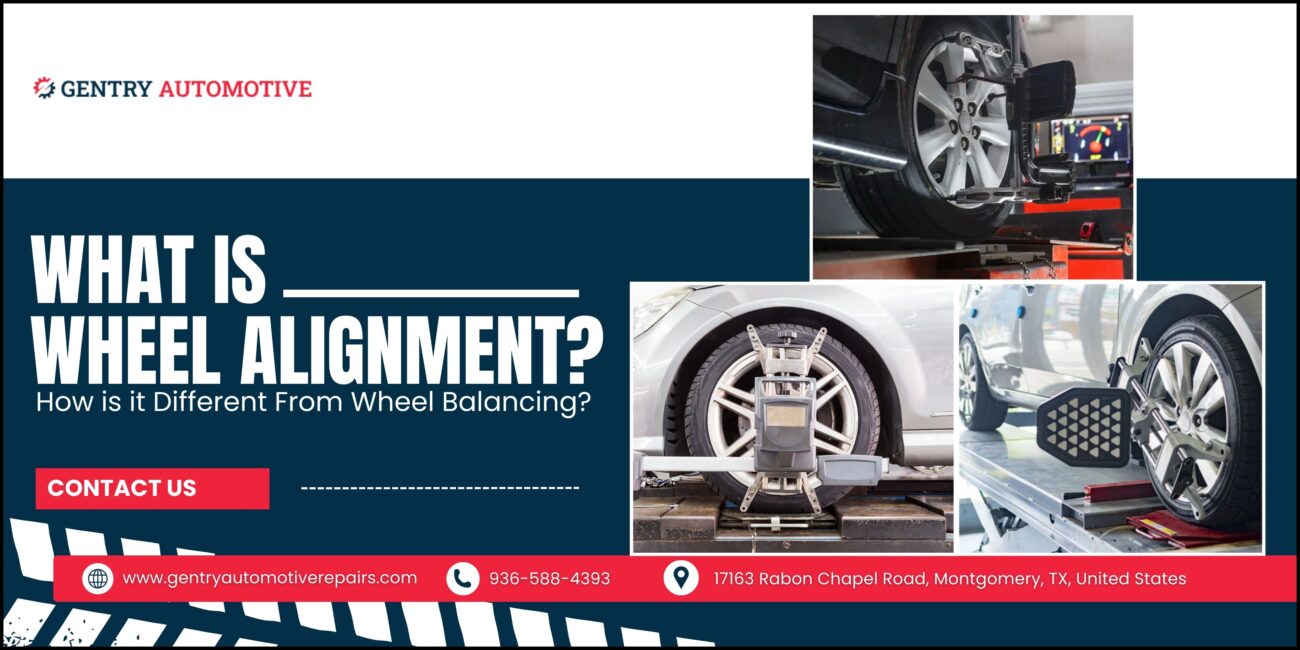
Usually, changing a wheel bearing does not require a wheel alignment if you didn’t disturb strut-to-knuckle or control-arm geometry. But if bolts that control camber/caster were removed, or suspension parts were disconnected, get an alignment. It’s cheap insurance because poorly aligned wheels will chew through new bearings and tires.
Wheel Bearing Repair Cost: What to Expect
Simple hub-assembly swaps on common cars can be inexpensive, whereas pressed-in bearings and luxury models cost more. Replacement cost per wheel commonly ranges from modest to several hundred dollars, plus labor. Always ask for the parts brand (OEM vs aftermarket), labor hours, and whether they’ll test-drive the car after.
DIY vs Professional Wheel Bearing Replacement
If you own proper tools (hydraulic press, torque wrench, hub tools) and have mechanical experience, you can save money. If you don’t, then do not take the risk. Cheap DIY mistakes cause repeated noise, ruined knuckles, or worse. For a reliable, worry-free job in Montgomery, Texas, Gentry Automotive can handle diagnosis, bearing replacement, and alignment checks professionally.
Final Note
If you suspect a bad bearing, act now. Get a proper diagnosis, budget for parts and labor, and insist on correct installation and torque specs. A well-installed bearing keeps you safe and keeps the rest of the suspension from paying the price.
FAQs
What are the symptoms of a bad wheel bearing?
Common signs include a humming or grinding noise that gets louder with speed, vibration in the steering wheel, and uneven tire wear. You may also notice looseness in the wheel, which indicates the bearing is wearing out and needs prompt inspection.
How long does it take to replace a wheel bearing?
The time required to replace a wheel bearing depends on your vehicle’s design. For most cars, the job takes between one and three hours. Vehicles with pressed-in bearings usually require more time because specialized tools are needed for proper installation.
Is it safe to drive with a bad wheel bearing?
No, driving with a bad wheel bearing is unsafe. It can lead to overheating, wheel instability, or even wheel failure. This directly affects braking and steering control, so it’s important to fix the issue as soon as possible.
Do I need a wheel alignment after replacing a wheel bearing?
A wheel alignment is usually not required unless suspension components were removed or disturbed. However, if alignment angles are affected, getting an alignment helps prevent uneven tire wear and ensures proper handling.
Can I replace a wheel bearing myself, or should I go to a mechanic?
You can replace it yourself if you have the right tools and experience. However, many vehicles require specialized tools like a press. For accurate installation and long-term reliability, services like Gentry Automotive can handle the job professionally.
Why does a wheel bearing make noise when driving?
Yes. A worn wheel bearing can damage the wheel hub, ABS sensor, axle, tires, and suspension components if left unrepaired. Replacing the bearing early helps prevent more expensive repairs and improves overall driving safety. If the noise persists, Gentry Automotive can diagnose and fix the issue efficiently.
How long do wheel bearings usually last?
Most wheel bearings last between 85,000 and 150,000 miles, depending on driving conditions, road quality, and maintenance. Frequent driving on rough roads or through water can reduce their lifespan.
What causes a wheel bearing to fail?
Wheel bearings commonly fail due to normal wear, impact from potholes, water contamination, damaged seals, improper installation, or using low-quality replacement parts.
Can I drive with a noisy wheel bearing?
It is not recommended. A noisy wheel bearing can worsen over time and affect steering, braking, and vehicle stability. If the noise becomes louder or the wheel feels loose, have the vehicle inspected as soon as possible.
Do new wheel bearings need a break-in period?
Most modern sealed wheel bearings do not require a special break-in period. However, it’s a good idea to drive normally for the first few miles and avoid harsh braking or aggressive cornering immediately after installation.