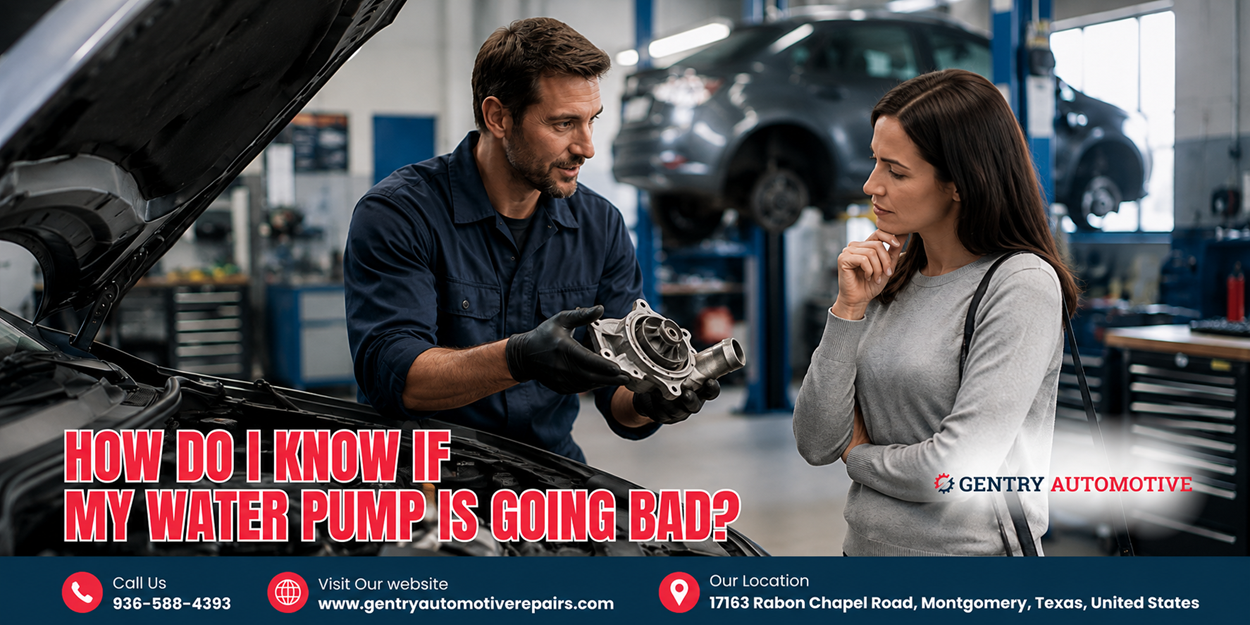


Is your engine overheating, leaking coolant, or stalling without any clear reason? If yes, then one of the reasons any of these could be happening is that your car’s cooling system might be failing.
And if you wait too long, it can cause some serious engine damage. Thankfully, most cooling system car issues can be spotted early and fixed before things get worse. So, let’s discuss what causes these problems and how to troubleshoot them.
What Does the Cooling System Do?
Your car’s cooling system is made up of a radiator, water pump, thermostat, coolant, and hoses. This system’s job is to keep the engine at the right temperature.
If it fails, the engine can overheat, leading to a total breakdown of your vehicle. In short, fixing a small leak now is better than replacing the whole engine later.
Common Causes of Cooling System Failures
1. Low or Leaking Coolant
If the coolant is low, either there is a leak or it has not been topped up in ages. Leaks can come from hoses, the radiator, or even the water pump.
2. Clogged Radiator
Rust and dirt can clog the radiator. This can make the engine overheat as the radiator won’t be able to release heat properly.
3. Faulty Thermostat
The thermostat controls the flow of the coolant. If it sticks shut, the coolant can not circulate, causing your engine to heat up quickly. On the other hand, if it’s stuck open, the engine might not warm up properly, affecting performance.
4. Water Pump Failure
The water pump moves coolant through the engine. If it fails, the whole system shuts down.
5. Cracked or Loose Hoses
Rubber hoses wear out. Cracks, leaks, or loose clamps can all reduce coolant pressure or cause loss of fluid.
Auto Cooling System Troubleshooting: Where to Start
1. Check Coolant Level
Pop the hood when the engine’s cool and inspect the coolant reservoir. If it’s low, top it off with the correct type of coolant. But remember: topping off doesn’t fix a leak.
2. Look for Visible Leaks
Check under the car or around the radiator for signs of fluid. If you see any green or orange puddles, you’ve got a leak, and it’s time to get an auto cooling system repair.
3. Run the Engine and Watch the Temp Gauge
Start the car and let it idle. Keep an eye on the temperature gauge. If it climbs quickly or hits the red zone, shut it off. You may have a cooling system issue that needs professional help.
4. Listen for Strange Noises
Any weird grinding and squealing sounds could mean that the water pump or fan belt is about to get damaged. Don’t ignore these noises. Get your car towed to a professional immediately.
Quick Tips to Prevent Cooling System Trouble
- Replace coolant every 2-3 years or as recommended.
- Inspect hoses and belts after every couple of months.
- Take warning lights and temperature spikes seriously.
- Get a professional cooling system inspection annually.
Final Words
Some issues are DIY-friendly, like replacing a hose or topping up coolant. But if you spot a leak you can’t reach, a clogged radiator, or a busted water pump, it’s time to book professional auto cooling system repair.
So, if you spot any of the above-mentioned signs, act fast and fix the issues before they cause your car to break down. Because ignoring these signs will only lead to bigger and pricier problems.