



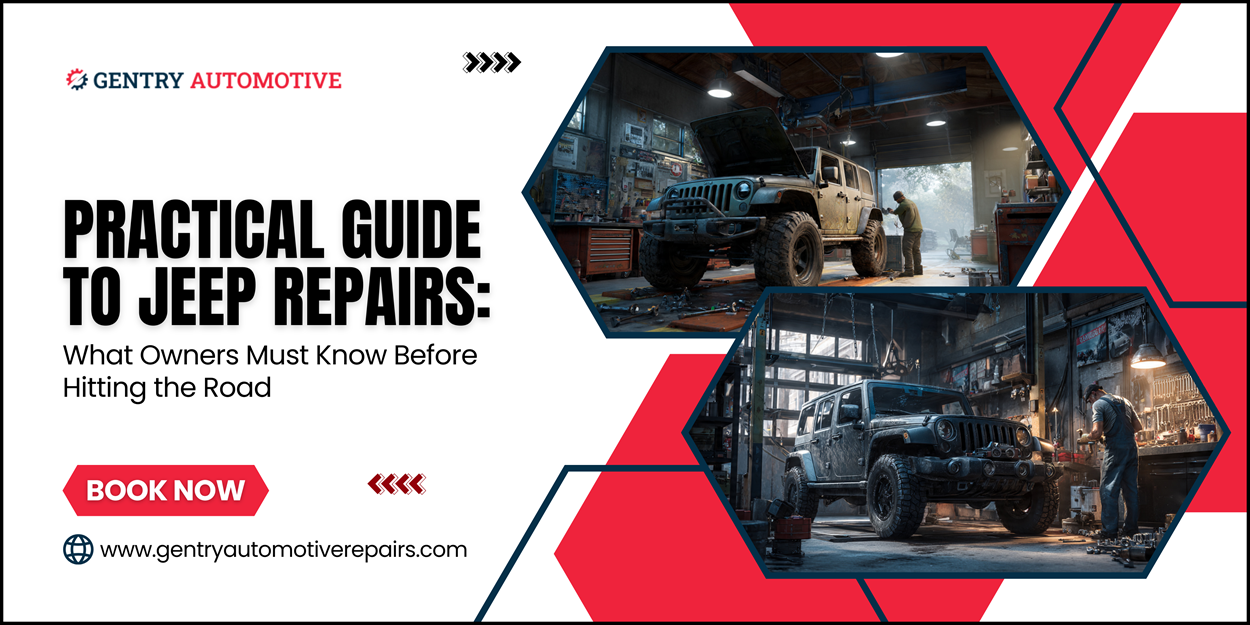
If you own a Jeep, you already know it’s a whole personality. But here’s the thing nobody tells you when you buy one: a Jeep needs regular attention. Sure, jeeps are built tough, but they are not invincible. Whether you’re commuting through town, crawling over rough trails, or hauling gear, the wear and tear adds up fast.
That’s when you face the tough question of where do I find reliable and skilled Jeep auto repair that won’t drain my wallet. Well, you’ve come to the right place. This guide breaks down the common issues Jeep owners run into and how to give the care your car deserves.
Why Jeeps Need Specialized Attention
A Jeep isn’t built like the average compact SUV. They’re heavier, more open to the elements, and most owners push them harder than the average daily car. Off-roading, long road trips, rough terrain, basically, the “Jeep life” wears components out faster.
This is exactly why auto repair isn’t something to hand over to a general mechanic who has only ever worked on sedans. A Jeep has quirks, and someone who doesn’t know them can misdiagnose issues or replace things that were never the problem.
The Most Common Jeep Problems And How to Catch Them Early
-
Transmission Trouble
Jeep transmissions, especially in certain Wranglers and Cherokees, are notorious for acting up. If you notice late shifting, slipping, weird clunks, or if it suddenly feels like the Jeep is struggling uphill, get transmission repair quickly. Transmission issues escalate stupidly fast.
-
Death Wobble
If you’ve never experienced it, lucky you. If you have, then you know the panic. The steering wheel shakes like it wants to escape the vehicle. This usually means worn suspension parts or loose track bars. Don’t risk it and get it inspected.
-
Overheating Engines
A Jeep heating up isn’t normal. It often means the radiator is clogged, the cooling fan is acting dumb, or the water pump is failing. Keep an eye on the temperature gauge, especially in traffic or while towing.
-
Electrical Annoyances
Random dashboard lights, flickering headlights, or malfunctioning infotainment systems are common Jeep complaints. Usually, it’s grounding or wiring. These are tiny problems that turn into big ones if ignored.
-
Oil Leaks
If you smell burning oil or spot stains on the driveway, check the valve covers, gaskets, or oil pan. Jeeps are leak-prone, and small leaks turn into major repairs fast.
How to Pick the Right Jeep Repair Shop
Good Jeep auto repair shops are not the same as general auto shops. Here’s what actually matters:
-
Choose Experience Over Guesswork
Jeep engines and suspensions aren’t textbook-simple. Your mechanic should have actual Jeep repair experience and not just “general knowledge.”
-
Look for Transparent Diagnostics
Shops that jump straight to part replacements without proper testing are red flags you need to avoid.
-
Verify OEM or High-Quality Parts
Cheap parts may fix the issue temporarily but fail quickly, costing you more.
-
Check for Proper Equipment
Modern Jeeps require advanced scan tools and calibration equipment. If a shop looks outdated, walk away.
-
Ask About Warranty
Any serious auto repair shop will stand behind its work with a warranty. A legit mechanic won’t rush you, pressure you, or try to upsell things that aren’t broken.
When to Stop DIYing and Call a Professional
If it is as easy as changing wipers or replacing a battery, go ahead. But if it involves wiring, a transmission, suspension geometry, or engine components, stop and seek help.
Online forums are full of sad stories of people trying to fix a “small noise” and ending up needing an entire system replacement. Jeeps are rugged, but they also need a lot of care.
A Trusted Local Pick
If you’re in Montgomery, Texas, Gentry Automotive is one solid place that handles full Jeep auto repair with people who know what they’re doing.
Wrapping Up
Your Jeep will last forever if you take the signs seriously. Listen to the weird noises, don’t ignore warning lights, and pick your mechanic wisely. A well-maintained Jeep feels better on the road, on trails, and everywhere in between.
Frequently Asked Questions About Jeep Repairs
1. Where can I get reliable Jeep auto repair in Montgomery, TX?
If you need dependable Jeep auto repair in Montgomery, TX, Gentry Automotive is here to help. Our team can diagnose and repair common Jeep issues, including transmission problems, suspension concerns, overheating, electrical faults, and oil leaks. We focus on finding the actual cause of the problem and recommending the right repair.
2. What are the most common problems with Jeeps?
Some common Jeep problems include transmission issues, death wobble, overheating, electrical problems, oil leaks, and suspension wear. The specific problems can vary depending on your Jeep model, mileage, driving habits, and how often you take it off-road.
3. How do I know when my Jeep needs a repair?
Warning signs can include unusual noises, difficulty shifting gears, steering wheel shaking, overheating, dashboard warning lights, fluid leaks, or changes in how your Jeep handles. Having these symptoms checked early can help prevent a small issue from becoming a more expensive repair.
4. How often should a Jeep be serviced?
Your Jeep should be serviced according to the maintenance schedule recommended for its specific model and mileage. Regular oil changes, fluid checks, brake inspections, tire rotations, and suspension checks can help keep your Jeep running reliably and catch potential problems early.
5. Is it safe to drive a Jeep with a death wobble?
No, it’s best not to continue driving if your Jeep develops a severe death wobble. Strong shaking in the steering wheel can be related to worn or loose suspension and steering components. Our team can inspect the steering and suspension system to identify the underlying issue and determine the appropriate repair.