
Buying or selling a car is a big decision. Whether you are purchasing a used car or selling your own, it’s important to check every part of the vehicle to avoid problems later. A detailed inspection helps you understand the car’s condition, make sure it is safe, and get a fair price. Here’s a simple and thorough car inspection checklist that covers everything you need to know.
What is a Car Inspection?
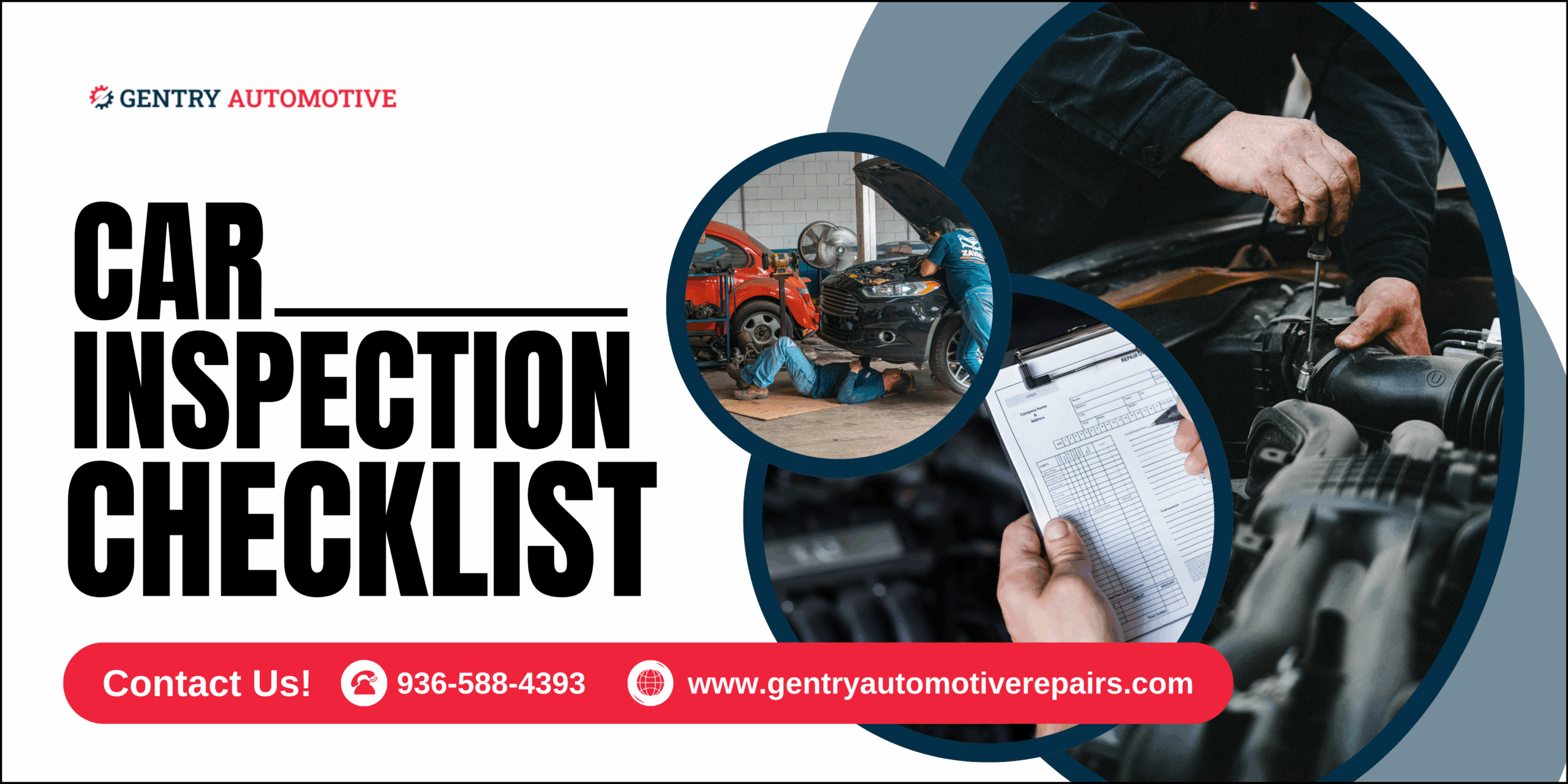
A car inspection is a detailed check of a vehicle’s overall condition. It looks at the car’s engine, brakes, tires, fluids, electrical systems, interior, exterior, and other critical parts. The goal is to identify any existing problems or potential issues that could affect safety, performance, or value. Car inspections are important whether you are buying, selling, or maintaining your car.
Why is a Car Inspection Important?
- Safety: Ensures that brakes, lights, tires, and other critical components are working properly.
- Avoid Costly Repairs: Detects issues early before they become expensive problems.
- Fair Pricing: Helps buyers know what they are paying for and helps sellers justify the price.
- Peace of Mind: Confirms the car is in good condition and reliable for daily use.
A proper car inspection gives both buyers and sellers confidence that the vehicle is safe, functional, and fairly valued.
1. Check the Vehicle History
Before you even see the car in person, check its history. Use the Vehicle Identification Number (VIN) to get a report. This will tell you:
- If the car has been in accidents
- Whether the title is clean, rebuilt, or salvaged
- Odometer readings to check for tampering
- Past owners and registrations
Knowing the car’s history can save you from buying a car with hidden problems.
2. Inspect the Exterior
Look carefully at the outside of the car for:
- Body condition: Check for dents, scratches, or rust. Misaligned panels can mean the car was in an accident.
- Paint: Make sure the color and texture are the same on all parts. Different shades could show a repaint.
- Windows and lights: Check for cracks or chips in windows, mirrors, headlights, and taillights.
- Tires: Look at the tread depth and wear patterns. Uneven wear may indicate alignment or suspension issues.
Pay attention to small details. A clean, well-kept exterior usually means the car was cared for.
3. Check Under the Hood
The engine and its components are very important. Check:
- Engine: Look for leaks, corrosion, or worn belts.
- Fluids: Check oil, coolant, brake fluid, and transmission fluid. Dirty or low fluid is a warning sign.
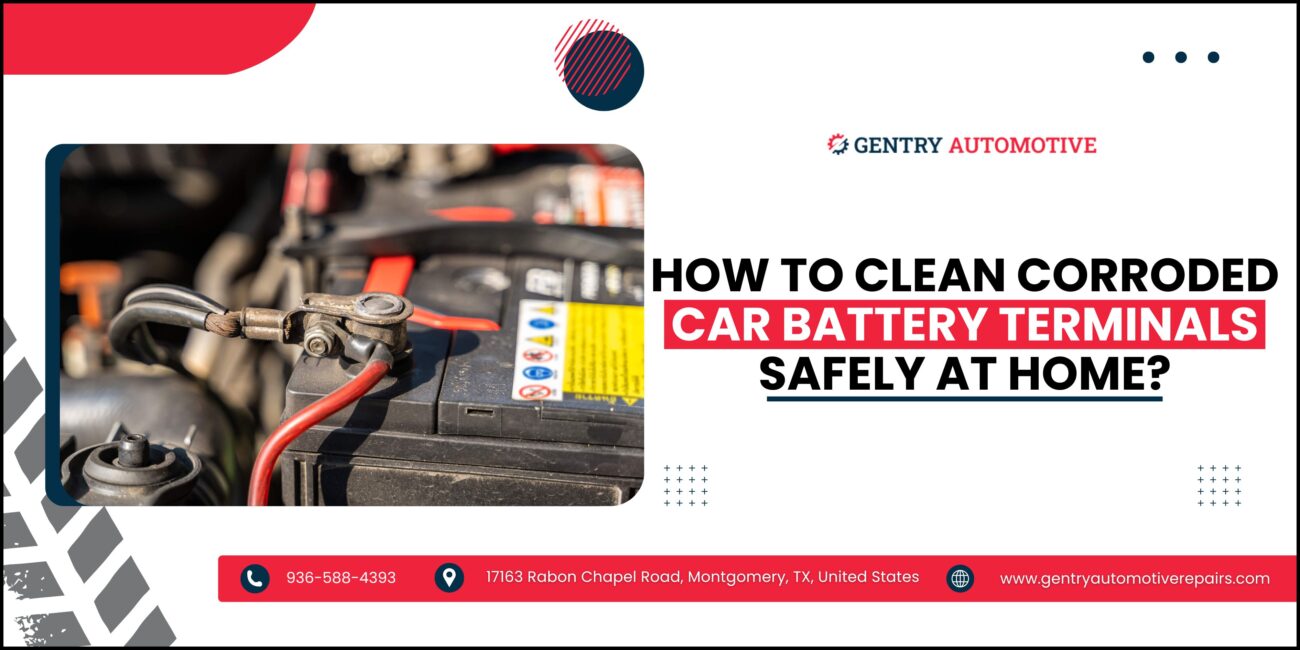
- Battery: Look for corrosion on the car battery terminal and note the battery’s age.
- Radiator and hoses: Make sure hoses are flexible and there are no leaks in the radiator.
Even if the car looks good outside, problems under the hood can be costly to fix.
4. Inspect the Interior
The inside of the car can show how well it was treated. Check:
- Seats and dashboard: Look for stains, tears, or cracks.
- Controls and electronics: Test lights, wipers, air conditioning, radio, windows, and other electronics.
- Smell: Be aware of strong odors. Musty smells can indicate water damage; smoke smells may be hard to remove.
A well-maintained interior usually reflects an owner who took care of the car.
5. Take a Test Drive
Driving the car helps you find issues that aren’t obvious in a visual check:
- Performance: See how the car accelerates and brakes.
- Transmission: Make sure gear shifts are smooth and quiet.
- Suspension and steering: Listen for unusual sounds and make sure steering feels responsive.
- Comfort: Check the air conditioning, heating, and seat adjustments.
During the test drive, pay attention to any strange noises or vibrations.
6. Check Documentation
Make sure the car has all the right papers:
- Title and registration: Ensure the seller legally owns the car and the title is clear.
- Service records: Ask for maintenance and repair records to confirm the car was properly maintained.
- Inspection certificates: Check if the car passed emissions or safety inspections required in your area.
Proper documentation prevents future legal or financial problems.
7. Consider a Professional Inspection
Even if the car seems fine, a professional car mechanic can find hidden issues. They can check:
- Engine and transmission health
- Suspension and brakes
- Electrical systems
- Possible accident damage
A pre-purchase inspection is especially important for older cars or those with high mileage.
8. Watch for Red Flags
Some warning signs may indicate serious problems:
- Inconsistent paperwork: Different service records or title information.
- Warning lights: Check engine or other warning lights on the dashboard.
- Unusual noises: Grinding, whining, or knocking sounds during the test drive.
- Water damage: Rust, stains, or damp smells inside the car.
If you notice any red flags, it’s better to be cautious or walk away.
9. Final Tips
- Research: Know the car’s market value before negotiating.
- Don’t Rush: Take your time to inspect and test the car thoroughly.
- Trust your instincts: If something feels wrong, don’t ignore it.
When preparing to buy or sell a car, conducting a thorough inspection is essential to ensure safety, reliability, and value. By following the comprehensive checklist provided, you can confidently assess the vehicle’s condition and make informed decisions.
If you’re in the Montgomery, Texas area and searching for “Car Inspection Near Me,” consider visiting Gentry Automotive. With over 42 years of experience, Gentry Automotive offers professional pre-purchase inspection, emissions testing, and comprehensive safety checks. Their certified technicians use modern diagnostic tools to ensure your vehicle meets all local requirements, providing you with peace of mind during the inspection process.