
A used vehicle can look like a great deal at first glance. The paint shines, the interior smells clean, and the seller assures you that everything runs perfectly. For many buyers, that’s enough to feel confident moving forward.
The problem is that some of the most expensive vehicle issues aren’t visible during a quick walkaround or a 15-minute test drive.
It’s surprisingly common for buyers to discover major repairs shortly after bringing a vehicle home. What looked like a bargain can quickly turn into a costly mistake when hidden mechanical problems start showing up. That’s why a professional pre-purchase car inspection has become one of the smartest investments a used-car buyer can make.
An inspection isn’t about finding reasons to reject every vehicle. It’s about understanding exactly what you’re buying before you commit your money.
What Can a Pre-Purchase Car Inspection Find?
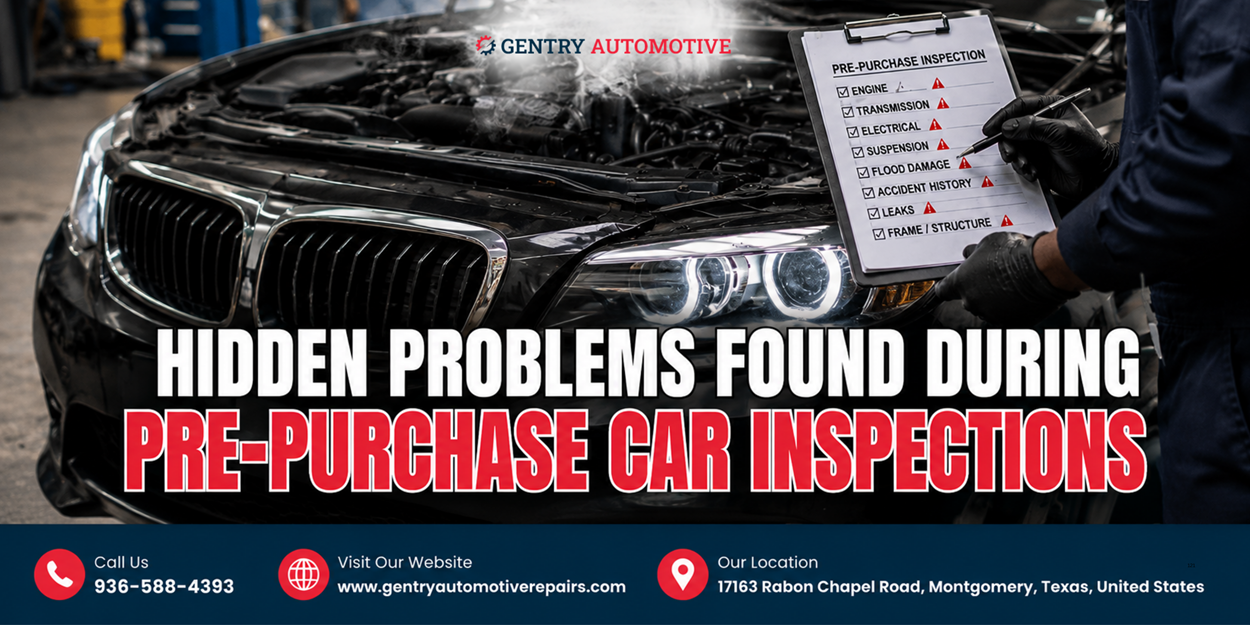
A professional pre-purchase car inspection can identify mechanical, electrical, structural, and safety-related issues that may not be obvious during a visual inspection or short test drive. Depending on the vehicle and inspection scope, technicians may check the engine, transmission, suspension, steering, tires, fluid leaks, electrical systems, accident repairs, and signs of flood damage. The inspection gives a buyer more information about the vehicle’s current condition before completing the purchase.
Can a Used Car Look Great and Still Have Serious Problems?
One of the biggest misconceptions among buyers is that a clean vehicle must be well maintained. In reality, appearance tells only part of the story.
Many vehicles receive cosmetic attention before being listed for sale. A fresh detailing job can make a ten-year-old vehicle look significantly newer than it really is. What matters far more is what’s happening underneath the hood, beneath the vehicle, and inside the systems most buyers never inspect.
Technicians performing a professional car inspection service often uncover problems that would be nearly impossible for the average person to spot. Some of these issues are minor. Others can lead to repair bills worth thousands of dollars.
What Problems Are Commonly Found During a Pre-Purchase Car Inspection?
Engine Issues
Engine failures begin with small warning signs that go unnoticed by sellers and buyers alike. A vehicle may idle smoothly and accelerate normally during a test drive while still showing evidence of developing problems. Small oil leaks, coolant seepage, worn gaskets, and maintenance neglect are frequently discovered during inspections.
In many cases, the dashboard doesn’t display any warning lights. Modern vehicles can store diagnostic trouble codes long before a driver notices symptoms. A professional inspection includes scanning vehicle systems for hidden faults that haven’t yet become obvious.
This is one reason experienced buyers don’t rely solely on how a vehicle feels during a test drive. A pleasant drive doesn’t always tell the whole story.
Transmission Problems
Transmission problems are among the most expensive repairs a vehicle owner can face.
What’s frustrating is how easily these issues can remain hidden during a short evaluation. A vehicle might shift perfectly for twenty minutes and then begin slipping once it reaches operating temperature. Other problems only appear at highway speeds or under heavier loads.
Inspectors frequently check for signs such as delayed engagement, rough shifting, fluid contamination, and evidence of previous transmission repairs.
Even when a transmission isn’t failing yet, inspection findings can provide valuable clues about future reliability. Knowing that information before buying gives you leverage during negotiations and may save you from an unpleasant surprise later.
Previous Accident Repairs
Not every vehicle with an accident history should be avoided. Many collision repairs are performed properly and cause no long-term concerns. The issue arises when buyers don’t know the extent of the damage or the quality of the repairs.
During inspections, technicians often find:
- Repainted body panels
- Body filler beneath paint
- Uneven panel gaps
- Weld repairs
- Bent structural components
- Improper repair technique
A vehicle can appear perfectly straight from the outside while hiding evidence of significant repairs underneath. That’s information every buyer deserves to have before making a purchase decision.
Flood Damage
Flood-damaged vehicles continue to find their way into the used-car market every year. What makes water damage particularly concerning is that many of its effects don’t appear immediately. Common indicators include:
- Musty odors
- Corrosion in hidden areas
- Water stains under carpeting
- Rust on seat mounts
- Electrical malfunctions
- Mold growth
To an untrained buyer, these details are easy to miss. Unfortunately, the long-term costs of flood damage can be substantial, especially when electronic systems begin to fail, one component at a time.
Suspension and Steering Problems
Most people focus on how a vehicle starts, accelerates, and brakes, but forget to pay attention to the condition of suspension and steering components.
Worn suspension parts can affect everything from ride comfort to safety. Ball joints, control arm bushings, tie rods, and shocks often wear gradually, making deterioration difficult to notice during casual driving.
A buyer may assume the vehicle drives normally because they have no point of comparison.
When technicians inspect these systems closely, they often uncover wear that could require attention sooner rather than later. Catching these issues before purchase allows buyers to budget appropriately or negotiate a fairer price.
Tire Wear
Experienced inspectors often learn a lot from the tires alone. Uneven tire wear often points to underlying issues such as:
- Alignment problems
- Suspension wear
- Steering component damage
- Previous accident repairs
For example, excessive wear on one edge of a tire may indicate a problem that’s been affecting the vehicle for thousands of miles. The tires themselves might be replaceable, but the reason they’re wearing unevenly is often the bigger concern.
Leaks Underneath the Vehicle
Few buyers have the opportunity to place a vehicle on a lift before purchasing it. That alone makes a professional inspection worthwhile.
Once a vehicle is elevated, inspectors can evaluate areas that are otherwise difficult to access. Oil leaks, transmission fluid leaks, differential seepage, coolant leaks, and power steering leaks become much easier to identify.
Some leaks are minor and expected on older vehicles. Others indicate repairs that may be needed in the near future. Knowing the difference can have a significant impact on your buying decision.
What Buyers Should Do After an Inspection?
Some buyers hesitate to schedule a pre-purchase inspection in Montgomery because they see it as an extra expense. Ironically, that small upfront cost often prevents much larger expenses later.
A thorough inspection can uncover information that helps
- Buyers negotiate a lower purchase price
- Request repairs before completing the sale
- Budget for upcoming maintenance
- Compare multiple vehicles more accurately
- Avoid vehicles with severe safety concerns
That’s valuable information when you’re making a purchase that could affect your transportation and finances for years.
Final Thoughts
The biggest problems in a used vehicle are often the ones you can’t see. That’s why a professional pre-purchase car inspection remains one of the most effective ways to reduce risk when shopping for a used vehicle.
For drivers in Texas, investing in professional car inspection services in Montgomery can provide a clearer picture of a vehicle’s true condition before any paperwork is signed. If you’re considering a used vehicle and want an experienced evaluation, Gentry Automotive Repairs offers a comprehensive vehicle inspection that is designed to help buyers make confident, informed decisions.
Frequently Asked Questions
1. What does a pre-purchase car inspection check?
A pre-purchase car inspection can evaluate major vehicle systems and components, including the engine, transmission, brakes, suspension, steering, tires, fluid leaks, electrical systems, and visible signs of previous accident or flood damage. The exact inspection scope depends on the vehicle and service provider.
2. Can a pre-purchase inspection find hidden problems?
Yes. A professional inspection can identify issues that may not be noticeable during a short test drive or basic walkaround. These can include fluid leaks, diagnostic trouble codes, uneven tire wear, suspension wear, previous accident repairs, electrical problems, and other mechanical concerns.
3. Is a pre-purchase car inspection worth it when buying a used car?
A pre-purchase inspection can provide useful information about a used vehicle’s condition before you commit to the purchase. It may help you identify current repairs, anticipate maintenance needs, compare vehicles, or make a more informed decision about the vehicle’s price and condition.
4. Can an inspection detect previous accident or flood damage?
A professional inspection may identify physical and mechanical signs associated with previous accident or flood damage. Inspectors can look for issues such as inconsistent panel gaps, repainting, weld repairs, corrosion, water stains, unusual odors, electrical problems, and other indicators. A vehicle history report can provide additional information about reported accidents or title history.
5. Does Gentry Automotive Repairs offer pre-purchase car inspections in Montgomery?
Yes. Gentry Automotive Repairs offers pre-purchase car inspection services for buyers in the Montgomery area. A professional inspection can help evaluate a used vehicle’s condition and identify potential mechanical, safety, or maintenance concerns before you buy.