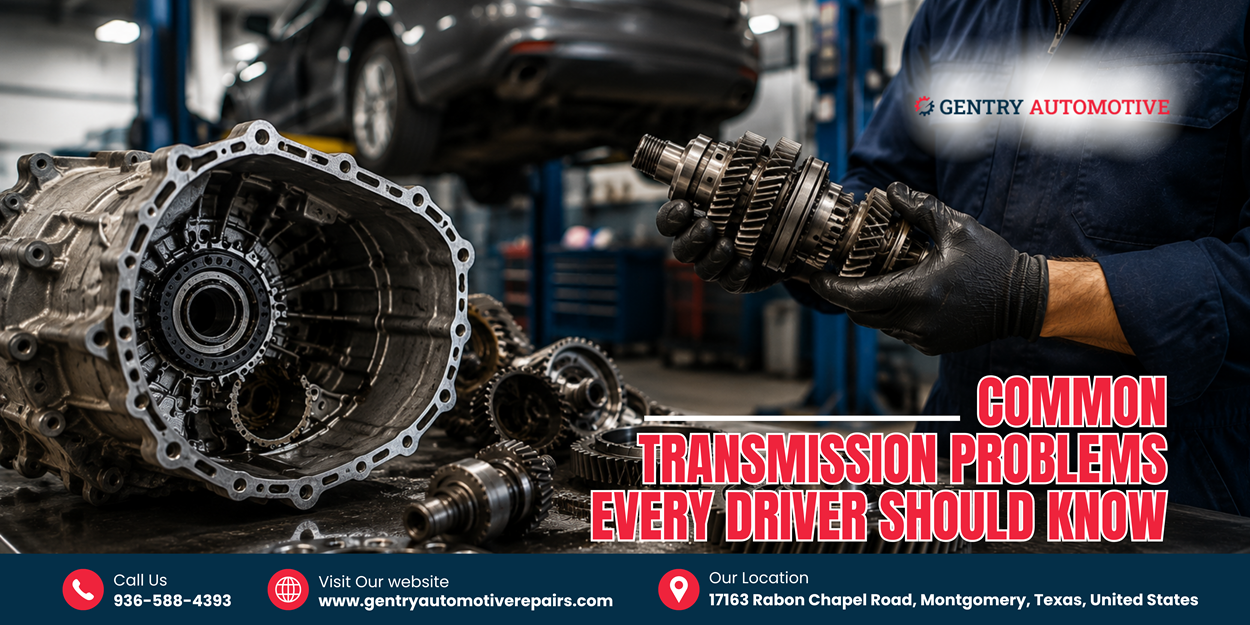


Most people don’t spend much time thinking about their transmission. As long as the vehicle shifts smoothly and gets them where they need to go, it’s usually out of sight and out of mind.
You might notice a strange hesitation when moving away from a stoplight, an unusual whining noise under acceleration, or a sudden, jarring shift. When these symptoms occur, the culprit is often staring you right in the face from underneath the hood: the transmission fluid.
It only takes a few minutes, but a quick inspection can tell you a surprising amount about what’s happening inside one of the most expensive systems in your vehicle.
Whether you drive your truck every day for work, use your SUV for family road trips, or simply commute around town, learning how to check transmission fluid is a skill worth having.
How Do You Check Transmission Fluid?
Checking transmission fluid usually involves parking the vehicle on a level surface, warming it to the manufacturer’s recommended operating temperature, locating the transmission dipstick if the vehicle has one, and checking the fluid level and condition. The correct procedure varies by vehicle, and some newer vehicles use sealed transmissions that require professional equipment for inspection. Always follow the vehicle manufacturer’s instructions and use the specified transmission fluid.
What is Transmission Fluid and Why is it Necessary?
In short, transmission fluid is a highly specialized, engineered liquid designed to perform multiple high-stakes jobs simultaneously inside your gearbox. Unlike engine oil, which primarily serves to lubricate moving metal surfaces, transmission fluid pulls triple duty, especially in automatic transmissions.
- Lubrication: It prevents the complex arrangement of planetary gears, bearings, and clutches from wearing themselves down to dust.
- Cooling: It acts as a thermal regulator, absorbing the intense heat generated by internal friction and moving it away from vital components.
- Hydraulic Pressure: In an automatic car, it serves as a hydraulic fluid. The pressure it creates is what actually forces the transmission to shift gears smoothly and seamlessly.
Because it constantly operates under intense heat and high pressure, the fluid inevitably degrades over time. It loses its protective properties and accumulates microscopic debris, leading to accelerated internal wear.
Why Do So Many Drivers Forget to Check Transmission Fluid?
Part of the reason is simple: modern vehicles have become incredibly reliable. Years ago, checking fluids was part of regular vehicle ownership. Today, many drivers go years without opening the hood unless a warning light comes on. That’s understandable, but it also means small issues can go unnoticed for much longer.
Transmission fluid is a perfect example. It tends to stay in the background. Yet it’s working every time you accelerate, slow down, climb a hill, sit in traffic, or tow a trailer. If the fluid level drops or the fluid starts breaking down, the transmission has to work harder. Heat builds up, lubrication becomes less effective, and wear starts increasing inside the unit.
That’s why checking it occasionally can save you from some very expensive surprises down the road.
Steps to Check Transmission Fluid Yourself at Home
The process varies slightly depending on the vehicle, but many cars and trucks follow a similar procedure.
Step 1: Park on a Level Surface
Park your vehicle on flat ground and engage the parking brake. An uneven surface can lead to inaccurate fluid readings.
Step 2: Warm Up the Engine
Most manufacturers recommend checking transmission fluid when the vehicle has reached normal operating temperature. Start the engine and allow it to run for several minutes.
In many vehicles, you’ll also need to move the gear selector through all gear positions before returning it to “Park”. This helps circulate fluid throughout the transmission.
Step 3: Locate the Transmission Dipstick
Open the hood and locate the transmission dipstick. It is often identified by a brightly colored handle, although locations vary by manufacturer.
Some newer vehicles no longer have a traditional dipstick because they use sealed transmission systems. In these cases, fluid inspection may require specialized tools and professional service.
Step 4: Remove and Clean the Dipstick
Pull out the dipstick and wipe it clean using a lint-free cloth or paper towel. This removes any fluid that may have splashed up the tube and ensures an accurate reading.
Step 5: Reinsert and Remove Again
Insert the dipstick fully back into its tube. Then remove it once more and inspect the fluid level. Most dipsticks have markings indicating the proper operating range. The fluid should fall within the designated area.
Step 6: Inspect the Fluid Condition
Pay close attention to the fluid’s appearance and smell. Healthy transmission fluid should generally appear clean and relatively transparent. If the fluid looks dirty, burnt, or contaminated, further inspection may be needed.
What Color is Transmission Fluid When It’s Healthy?
This is probably the most common question people ask after checking their transmission for the first time. What color is transmission fluid when everything is working normally?
Fresh transmission fluid is typically bright red and relatively clear. If that’s what you see on the dipstick, that’s usually a positive sign.
As the fluid ages, however, the color naturally changes. It may become darker red or develop a light brown tint. That’s not automatically a reason to panic, but it can indicate that the fluid is getting older.
The bigger concern is when the fluid becomes very dark brown, nearly black, or develops a burnt smell. That’s often a sign that excessive heat has broken down the fluid’s protective properties. In some cases, it can also indicate internal wear inside the transmission.
Another thing worth watching for is a milky appearance. While it’s less common, contaminated fluid can sometimes take on a cloudy look, which may suggest moisture or coolant contamination.
What Happens If Your Transmission Fluid Level is Low?
Finding low fluid doesn’t automatically mean you need transmission repair, but it does mean something deserves attention. Unlike engine oil, transmission fluid isn’t typically consumed during normal operation.
If the level is noticeably low, there’s often a reason.
Sometimes it’s a minor leak from a gasket or seal. Other times, the leak may be more significant. Either way, continuously adding fluid without identifying the source of the loss is usually treating the symptom rather than solving the problem.
Many drivers don’t realize they have a transmission leak until shifting issues begin showing up. That’s why checking fluid periodically can help catch problems before they become more serious.
Common Mistakes Drivers Make When Checking Transmission Fluid
Many vehicle owners unknowingly make errors that lead to inaccurate readings. Avoid these common mistakes:
- Checking with a Cold Transmission: Many vehicles require the fluid to be checked at operating temperature.
- Using the Wrong Fluid Type: Different transmissions require specific fluid formulations. Using the wrong fluid can cause serious performance issues.
- Ignoring Fluid Condition: Dark, burnt, or contaminated fluid shouldn’t be ignored simply because the level appears correct.
- Overfilling the Transmission: Too much fluid can create pressure issues, foaming, and overheating. Always stay within manufacturer specifications.
Wrapping Up
Learning how to check transmission fluid is one of the simplest yet most valuable maintenance skills a vehicle owner can have. A few minutes of inspection can reveal early warning signs that help prevent costly breakdowns.
For drivers seeking professional transmission repair in the Montgomery area, the experienced team at Gentry Automotive Repairs can help diagnose transmission concerns and recommend the right solution before minor issues become major repairs. So, visit and get an inspection today!
Frequently Asked Questions
1. How often should you check transmission fluid?
The recommended inspection interval depends on the vehicle, transmission type, driving conditions, and manufacturer’s maintenance schedule. Check your owner’s manual for the specific interval and procedure recommended for your vehicle.
2. What color should healthy transmission fluid be?
Transmission fluid is often red when fresh, although color can vary depending on the fluid type and manufacturer. As fluid ages, it may become darker. Very dark or burnt-smelling fluid, or fluid that appears contaminated or milky, may indicate that further inspection is needed.
3. How do you know if your transmission fluid is low?
If your vehicle has a transmission dipstick, the fluid level can be checked against the markings on the dipstick using the manufacturer’s recommended procedure. Low fluid may also be associated with symptoms such as delayed or rough shifting, but these symptoms can have other causes as well. Vehicles with sealed transmissions may require professional inspection.
4. Can you drive with low transmission fluid?
Driving with low transmission fluid can increase the risk of transmission wear and overheating because the fluid helps provide lubrication, cooling, and hydraulic pressure. If the fluid level is low, identify the cause and follow the vehicle manufacturer’s recommendations before continuing to drive.
5. Can Gentry Automotive Repairs check transmission fluid and diagnose transmission problems?
Yes. Gentry Automotive Repairs can help drivers in the Montgomery area with transmission inspections and related repair concerns. If you notice low fluid, unusual shifting, leaks, burnt-smelling fluid, or other transmission symptoms, a professional inspection can help identify the underlying issue and determine the appropriate repair.