
You don’t need us to tell you that heat is the silent killer of transmissions. It creeps up without warning. You just start noticing slipping gears, delayed shifts, burnt fluid smell, and then the bill that makes you wince. A transmission cooler is one of the simplest upgrades or repairs you can make to protect your car from this costly problem.
In this guide, we’ll break down how transmission coolers work, why they matter, and how transmission cooler lines, fittings, and replacements all fit into the bigger picture of keeping your engine and transmission healthy.
How Heat Damages Automatic Transmissions?
Automatic transmissions are hydraulic machines. They rely on transmission fluid not only to lubricate, but to transmit hydraulic pressure, cool parts, and keep clutch materials functioning. When fluid gets too hot, it thins, loses its lubricating and hydraulic properties, and becomes less able to protect clutch packs and bearings.
Left unchecked, overheating leads to burnt fluid, slipping clutches, and catastrophic failure. In many cases, transmission failure is not a single event but the result of repeated high-temperature cycles that slowly degrade the system. That’s where a transmission cooler comes in handy.
Why Transmission Coolers Are Essential for Preventing Overheating
A transmission cooler is a heat exchanger. Hot transmission fluid leaves the transmission, runs through the cooler (which has fins, tubes, or plate surfaces), transfers its heat to the surrounding air, and returns to the transmission at a lower temperature. Lower fluid temperature means better lubrication, more reliable hydraulic pressure, and longer life for seals and friction materials.
There are two common configurations:
- In-radiator Cooler: This is a small heat exchanger built into the radiator. Good for normal driving and keeps packaging compact.
- External Transmission Cooler: It is a dedicated cooler mounted in front of the radiator or condenser to increase heat-dissipating surface area and airflow. These ones are ideal for towing, performance driving, or hot climates.
Why An External Transmission Cooler Often Beats the Factory Setup
Factory coolers are designed for average conditions. If you tow heavy loads or live in hot climates like Texas, the factory cooler can be overwhelmed. So, here are some advantages of adding an external transmission cooler:
- Adds more surface area and better airflow, so more heat is removed.
- Reduces the thermal load on the radiator, preventing the radiator from becoming a bottleneck.
- Lowers peak and average fluid temps, which directly reduces wear on clutch packs and seals.
Understanding Transmission Cooler Lines and Their Importance
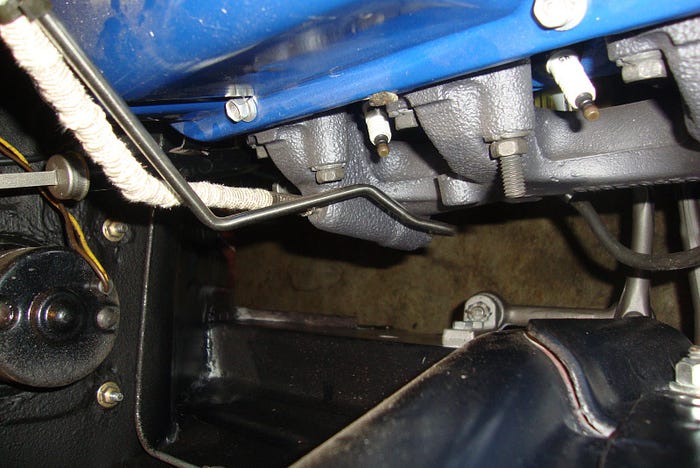
Your cooler won’t work without the plumbing that feeds it. Transmission cooler lines carry hot fluid from the transmission to the cooler and return cooled fluid back into circulation.
These lines may look simple, but they’re exposed to heat, vibration, and road debris. Over time, they can corrode, crack, or leak at the connections. Ignoring damaged lines can cause fluid loss, which means poor lubrication, slipping gears, and rapid wear.
Transmission Oil Cooler Line: Function and Maintenance Tips
Some manufacturers and aftermarket descriptions use the term transmission oil cooler line interchangeably with transmission cooler line. Whether you call it “transmission oil cooler line” or “cooler line,” both refer to the same thing.
Maintenance tips:
- Inspect lines for cracks, bulges, or leaks at least once a year.
- Replace deteriorated rubber hoses before they burst under pressure.
- Keep an eye out for damp spots around fittings or crimps.
A small leak may not seem urgent, but once fluid escapes, damage happens fast.
Weak fittings are one of the most common failure points in the system. If a fitting leaks or breaks, fluid escapes under pressure, and your cooler becomes useless. Always use OEM-grade or high-quality aftermarket fittings.
Transmission Cooler Lines Replacement: When and Why It’s Necessary
There’s no set schedule for transmission cooler lines replacement, but you should act if you notice fluid leaks near the cooler, rusted or damaged metal tubing, or a burnt smell from overheated transmission fluid.
Replacement can be a DIY job for some, but if you don’t seal fittings properly or fail to bleed the system, you risk more damage. A professional mechanic ensures everything is installed, tightened, and tested correctly
How Effective is a Transmission Cooler?
Numbers vary by setup, but a proper external cooler can reduce transmission fluid temperatures by 15–50°F (8–28°C) under heavy load compared to stock cooling alone. That may not sound like much, but every 10–20°F drop in operating temperature dramatically extends transmission life. Over time, this means fewer breakdowns and smoother performance.
Warning Signs Your Transmission Cooler System Needs Repair
- Transmission fluid puddles or damp lines under your car
- Delayed or slipping gear shifts
- Frequent overheating when towing or hauling
- Visible rust or cracks along cooler lines
If you see any of these, investigate immediately. A leaking cooler line can dump liters of fluid in a short time.
Choosing the Right Setup: External Transmission Cooler Options
When installing an external cooler, you’ll have two main routing options:
- Stack: Run fluid through the factory radiator cooler first, then through the external cooler for extra protection.
- Bypass: Route fluid to the external cooler only, bypassing the radiator cooler.
For most drivers, stacking is recommended because it combines the benefits of both systems. Bypass setups are best reserved for vehicles with known radiator cooler failures or performance-specific builds.
Why Transmission Fluid Quality Still Matters with a Cooler?
Even the best cooler can’t fix dirty or degraded fluid. Transmission fluid not only lubricates but also helps transfer heat. If it’s burnt, dark, or contaminated with debris, it won’t protect your transmission.
Regular fluid changes and inspections should go hand-in-hand with cooler maintenance. During transmission cooler lines replacement, it’s smart to check the fluid condition and replace it if necessary.
Wrapping Up
A transmission cooler is cheap insurance. Replacing a few feet of hose and a small heat exchanger costs a fraction of a transmission rebuild. By keeping fluid at safe temperatures, ensuring your transmission cooler lines and fittings are in top shape, and replacing worn components before they fail, you safeguard your vehicle from costly repairs.
If you value reliability, especially under load, be proactive: inspect the transmission cooler lines, don’t shortcut on transmission cooler line fittings, and consider an external transmission cooler when the vehicle’s use exceeds the factory design envelope. Replace worn lines, fit a decent cooler if you need one, change the fluid, and drive on.
FAQ
Q1: What are transmission cooler lines, and why are they important?
Ans: Transmission cooler lines are the hoses or pipes that carry transmission fluid between your transmission and the cooler (or radiator).
Q2: When should I install an external transmission cooler?
Ans: An external transmission cooler is useful when your vehicle is under heavy load (towing, high ambient temperatures, frequent stop-and-go), or if you’ve upgraded your engine or transmission.
Q3: What are transmission cooler line fittings, and how do I choose the right ones?
Ans: Transmission cooler line fittings are the connectors (adapters, unions, elbows, etc.) that join the cooler lines to the transmission, radiator, or cooler. When selecting fittings, you need to match thread types, sizes, sealing style (O-ring, flare, etc.), and material (e.g. brass, steel).