
When it comes to safety, nothing in your car matters more than reliable brakes. Yet, brake issues are among the most commonly ignored warning signs by drivers. A slight squeal today can become a full system failure tomorrow, and by then, things might already be out of hand. Whether you drive a Ford Explorer, F-150, or Mustang, your braking system is a finely tuned network of pads, rotors, fluid, and sensors. If one part falters, the rest follows.
Drivers often delay inspections because “it still stops fine,” but that’s exactly how serious damage begins. So, if you’ve been searching for a Ford mechanic near you or need expert advice before booking a service appointment, this guide walks you through every sign that your brakes need help.
Common Warning Signs of Brake Problems in Ford Vehicles
1. Squealing or Squeaking Every Time You Brake
A high-pitched squeal when you apply the brakes is the most common early warning sign. Modern brake pads have wear indicators that squeal to tell you they’re not working. But not all squeals mean worn pads; it could be water, dust, glazed pads, or cheap after-market pads, too.
Don’t wait until the sound gets worse. Book a Ford service appointment and get the pads inspected. Worn pads can cause rotor scoring and double the repair costs.
2. Grinding Noise
A grinding sound is louder and different from a squeal. It usually means the metal backing of the pad is contacting the rotor. If this is the case, the pads are essentially gone. That metal-on-metal contact destroys the rotor surface and massively reduces stopping power.
If it’s severe, stop driving immediately and have the vehicle towed to a trusted shop. This is a clear sign you need repair immediately.
3. Pulsation or Vibration When Braking
If the brake pedal or steering wheel vibrates when you brake, that’s usually a sign of uneven rotor wear or a warped rotor. In some cars, it can be caused by stuck calipers or suspension problems. ABS activation can also feel like vibration during emergency stops, but an ABS surprise during normal braking is not normal.
A mechanic will measure rotor thickness and check calipers. If your Ford’s ABS light is behaving oddly alongside the vibration, mention it when you take your car for maintenance.
4. Soft or Spongy Brake Pedal
A brake pedal that goes down further than usual, or feels squishy, often means one of three things: air in the hydraulic line, a leaking brake line, or a failing master cylinder. Any of these reduces hydraulic pressure and stopping power.
Now, this is pretty urgent. Search for a reputed mechanic nearby or call a dealer if your car is still under warranty. Don’t try to drive long distances on a spongy pedal.
5. Brake Warning Light or ABS Light
Modern Fords will alert you with a dashboard light long before total failure. A yellow ABS light means the anti-lock system has a fault. A solid red brake light could mean low brake fluid, worn pads, or worse. If the lights turn on intermittently, that’s also a signal of an electrical or sensor issue. This is not something to shrug off.
Try to pull over safely and check the fluid. Call a professional immediately. If it’s an ABS light, mention it specifically.
6. Vehicle Pulls to One Side When Braking
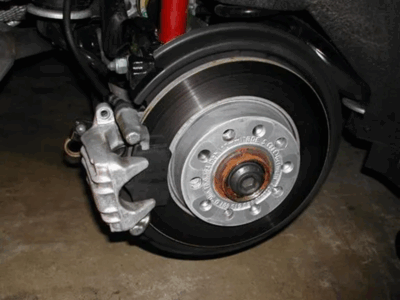
If your car pulls left or right during braking, one caliper might be sticking, a brake hose could be collapsed, or pad wear is uneven. Pulling impacts stopping distance and control, especially dangerous on wet or icy roads.
Make sure to get brakes inspected ASAP. If it only happens when wet, don’t assume it will go away.
7. Burning Smell After Heavy Braking
A hot, chemical, or burning smell after a long downhill or repeated hard stops usually means overheating. If the smell is constant after short drives, a caliper could be sticking and dragging the brake all the time, which will ruin rotors and pads fast.
If this happens and you continue driving, it will increase repair costs and could cause a fire in extreme cases. Tow the car if you notice smoke or severe heat.
8. Increased Stopping Distance
If your Ford takes noticeably longer to stop, that’s a measurable safety failure. Causes could range from worn pads/rotors to low brake fluid, contaminated fluid, or problems in the brake booster. This symptom is often missed because drivers adapt to it until it’s too late.
To diagnose properly, compare current braking performance to past experience. If it’s different, have a professional perform a full brake system check.
9. Strange Brake Feel After an Oil Change or Recent Repair
A brake feeling odd after maintenance can indicate fluid contamination or improper reassembly. For example, if a shop accidentally introduced air into the system while doing unrelated work, you may feel softness in the pedal. Make sure to always visit a professional and reputable garage for the maintenance of your car.
10. Electronic Warnings, Error Messages, or Unexpected Brake Assist Loss
Modern Fords rely on software and electronic modules for brake assist and ABS functions. Sometimes these can fail and cause a sudden reduction in brake assist. If you see electronic warnings about brake assist, loss of brake power, or unexpected system shutdowns, check if your vehicle is under a safety recall.
Call your dealer to check for a Ford vehicle recall brake problem notice. If you find one, repairs are usually free and prioritized. If not, schedule an immediate diagnosis.
How to Prioritize Brake Repairs and Safety Checks
- Immediate Danger: This could include grinding, long pedal travel, a red warning light, or smoke. Always get the car off the road and towed.
- Serious But Not Immediate: Issues like pulling, vibration, and burning smell after short drives come in this category. Call and book the earliest service appointment for a diagnosis.
- Preventive: If your car squeals or mildly vibrates at low speeds, schedule service within a week. Don’t let these issues become an emergency.
Ford Dealership vs Local Mechanic: Which Is Better for Brake Repair?
If you’re looking for a Ford repair shop near me, know this: dealers have direct access to technical service bulletins and recall fixes. Experienced independent Ford specialists often offer better pricing and personalized service. For luxury variants or complex electronic complaints, go for a repair shop that specializes in luxury car repairs.
Wrapping Up
Brakes are the first, last, and most important safety system on your car. If you notice any of the signs above, make a call and schedule an inspection. If you’re in Montgomery, Texas, and want specialist help for luxury cars, The Gentry Automotive provides Ford-level expertise alongside service for high-end vehicles. So, act early before it costs you more than money.
FAQ
1. Where can I find a trusted Ford mechanic near me?
Ans: At Gentry Automotive Repairs, we have certified technicians specializing in Ford vehicles. Whether it’s diagnostics, repairs, or routine maintenance, our experts ensure your Ford runs smoothly and safely.
2. How often should I schedule a Ford oil change?
Ans: It’s recommended to get a Ford oil change every 5,000–7,500 miles, depending on your model and driving habits. Regular oil changes help extend engine life and improve performance.
3. Are there any Ford vehicle recall brake problems I should know about?
Ans: Yes, certain Ford models may have vehicle recall brake problems. You can bring your car to Gentry Automotive Repairs for a free inspection — we’ll check for active recalls and assist with the necessary repairs.
4. What services do you offer for Ford auto repair?
Ans: Our Ford auto repair services include brake repair, engine diagnostics, transmission maintenance, AC repair, and more — ensuring complete care for your Ford.
5. Why choose Gentry Automotive Repairs for my Ford service?
Ans: We’re a trusted Ford mechanic near you, offering honest pricing, expert technicians, and top-quality parts for every Ford auto repair and maintenance need.